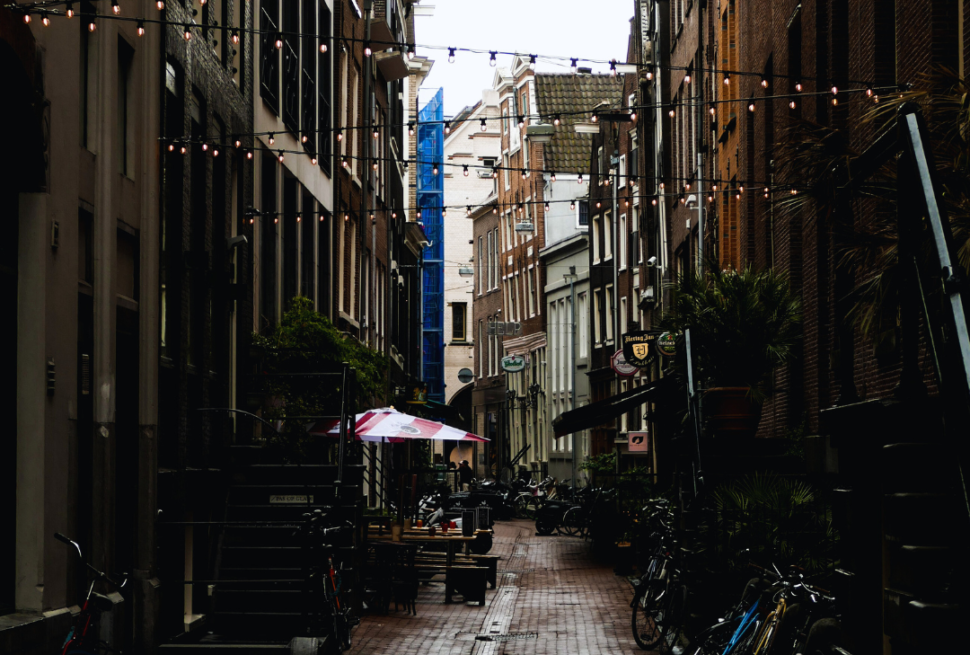

Lisbon’s vibrant atmosphere is not only shaped by its historic architecture and scenic views but also by its secret art scene that thrives beyond the conventional galleries. Emerging from the shadows of the city’s popular attractions, this underground art movement offers a fresh perspective on contemporary creativity. From hidden studios to pop-up exhibitions, art lovers can discover unique expressions that reflect Lisbon’s eclectic spirit.
Artists in Lisbon are continually redefining the boundaries of their craft, often creating spaces where experimental works can flourish away from mainstream attention. These hidden gems invite audiences to engage directly with the creators and their visions, fostering a sense of community and collaboration. This dynamic environment is where the secret art scene truly comes alive, inviting exploration and connection.
The allure of Lisbon’s secret art scene lies in its ability to surprise and inspire. Whether through vibrant street art, intimate exhibitions, or unconventional performances, there’s always something new waiting to be uncovered. For those willing to venture off the beaten path, Lisbon’s underground art world offers a captivating journey into the heart of contemporary expression.
Exploring Lisbon’s Artistic Neighbourhoods
Lisbon’s artistic neighbourhoods offer a rich tapestry of creativity, where traditional forms meet contemporary expressions. From iconic azulejos to vibrant street art, each area possesses unique characteristics that reflect the city’s heritage and modern influences.
Alfama: A Canvas for Azulejos
Alfama is known for its narrow, winding streets adorned with traditional azulejos, the famous ceramic tiles that tell stories of Lisbon’s past. Local artists often incorporate these tiles into their work, creating a collective homage to the city’s history.
Visitors can stumble upon hidden gems, such as small workshops where artisans craft these tiles by hand. The colourful facades and intricate designs not only enhance the neighbourhood’s charm but also serve as a gallery for anyone who appreciates art in its most authentic form.
Bairro Alto and Graça: Graffiti and Gallery Spaces
Bairro Alto and Graça are vibrant hubs of contemporary art and street culture. The streets are filled with striking graffiti, showcasing both local talent and international artists.
Art galleries in Bairro Alto add to the neighbourhood’s dynamic art scene. These spaces often feature rotating exhibitions that introduce visitors to emerging artists. Walking through the area reveals ever-changing murals that reflect social issues, bringing the neighbourhood’s walls to life with powerful messages.
Mouraria: Fado’s Influence on Art
Mouraria, the birthplace of Fado, intertwines music with visual arts. The melancholic melodies of Fado influence local artists and can be experienced in galleries that showcase paintings and installations inspired by this emotional genre.
Venues in Mouraria often host performances alongside art exhibitions, merging the auditory and visual experiences. This integration fosters a unique atmosphere where history and creativity intersect, rendering it a must-visit for art lovers.
Campo de Ourique and Estrela: Modern Meets Historical
Campo de Ourique and Estrela encapsulate a blend of the modern and historical in Lisbon’s art scene. The neighbourhoods are home to contemporary art studios and galleries that celebrate innovation while revering traditional influences.
Visitors can enjoy outdoor art installations and vibrant markets that reflect local culture. The area’s commitment to fostering local artists is evident, with regular events that showcase their work. This juxtaposition creates an inviting environment where tradition and modernity coalesce seamlessly.
Iconic Art Venues and Museums
Lisbon boasts a dynamic art scene characterised by a variety of iconic venues and museums that offer unique insights into local and international art. The following highlights showcase significant spaces that contribute to this creative landscape.
The LX Factory: A Hub of Creativity
The LX Factory, situated in a former industrial complex, has transformed into a vibrant cultural hub. It features an eclectic mix of art studios, galleries, and shops. Visitors can explore contemporary art exhibitions, street art installations, and unique publications from local artists.
The space hosts regular events that attract creatives and art enthusiasts alike. Its atmosphere is infused with creativity, making it a popular spot for inspiration and artistic collaboration. The combination of historical architecture and modern artistry makes LX Factory a must-visit.
Calouste Gulbenkian Museum: Art in Focus
The Calouste Gulbenkian Museum is renowned for its impressive collection of art from various periods and cultures. It houses works ranging from ancient to modern art, including pieces by Rembrandt, Monet, and René Magritte. The museum is dedicated to promoting art through exhibitions and educational programmes.
Set amidst a serene garden, it provides a tranquil environment for reflection and enjoyment. Its blend of European and Islamic art offers visitors a comprehensive view of global artistic heritage. The museum’s significance extends beyond its collection, as it actively supports cultural initiatives in Lisbon.
MAAT: Innovations in Art, Architecture and Technology
The Museum of Art, Architecture and Technology (MAAT) stands out for its contemporary approach to art and design. Housed in a striking modern building along the Tagus River, MAAT explores the intersections of art and technology. It features exhibitions that challenge traditional boundaries and provoke thought.
MAAT’s programming includes a range of interactive installations, artist commissions, and educational workshops. The blend of architecture and digital art encourages visitors to engage with the innovative possibilities of contemporary creative practices. This venue underscores Lisbon’s position as a forward-thinking city in the art world.
Lisbon’s Underground and Alternative Art
Lisbon boasts a vibrant underground and alternative art scene that thrives in its lesser-known neighbourhoods. With a mix of street art, hidden galleries, and local artists, this cultural fabric offers a unique perspective on contemporary Portuguese art.
Santos and Alcântara: The Artistic Underbelly
Santos and Alcântara are two neighbourhoods known for their rich artistic heritage. These areas are characterised by an eclectic mix of industrial spaces, artist studios, and street art that redefines the urban landscape.
The streets of Santos showcase striking murals by local talents, while Alcântara hosts several hidden art spaces. Venues like Village Underground blur the lines between art and community, featuring repurposed shipping containers that house a creative collective.
These neighbourhoods are essential for discovering emerging artists who challenge traditional norms and contribute significantly to Lisbon’s evolving art narrative.
Bordalo II and Other Local Heroes
Bordalo II is a standout figure in Lisbon’s alternative art scene. Known for his impactful installations made from recycled materials, he transforms urban waste into striking animal sculptures. This approach highlights both creativity and environmental awareness, earning him recognition both locally and internationally.
In addition to Bordalo II, other local artists contribute to this vibrant scene, often exhibiting in underground galleries such as Galeria Fernando Santos and Galeria Zé dos Bois. These spaces prioritise experimental works and often serve as platforms for avant-garde exhibitions. This network brings together artists who focus on social commentary and innovation, ensuring that their voices are heard in a culturally rich environment.
Ericeira: Coastal Creativity and Cultural Events
Just a short drive from Lisbon, Ericeira has evolved beyond its reputation as a surf haven to become a rising hub for art and culture. Also, the events in ericeira blend coastal lifestyle with creative expression — from open-air art exhibitions and music festivals to pop-up galleries featuring both local and international artists, so be sure not to miss them. Its relaxed atmosphere attracts creatives seeking inspiration by the sea, making it an ideal escape for those who appreciate art in its most organic and unfiltered form.
Independent Galleries and Forging New Pathways
Independent galleries play a crucial role in fostering alternative art in Lisbon. Galeria de Arte Urbana and Mercado de Campo de Ourique regularly host exhibitions that spotlight underrepresented artists. These venues have become vital for promoting contemporary art while offering spaces for dialogue and collaboration.
They also serve as launchpads for new talent, creating opportunities for artists to showcase their work outside mainstream institutions. In a city where creativity flourishes, independent galleries provide essential support, encouraging a diverse range of artistic expressions that reflect Lisbon’s dynamic cultural landscape.