
Creating a functional home workspace involves choosing the right location, organising essential tools, and minimising distractions. A productive workspace balances comfort, efficiency, and organisation to support focus and work quality.
They should prioritise ergonomic furniture, good lighting, and clear storage solutions. These factors help maintain physical health and reduce stress, making it easier to stay on task throughout the day.
Setting boundaries between work and personal life is also essential. A dedicated workspace helps signal to the brain when it is time to work, improving concentration and productivity.
Setting Up the Ideal Workspace
Creating a functional home workspace requires deliberate choices about location, lighting, and noise control. Each element impacts productivity and comfort during remote work.
Selecting the Best Location
The chosen location should prioritise minimal distractions. A quiet corner or a spare room away from high-traffic areas is ideal for focus.
Access to power outlets is essential to avoid extension cables cluttering the workspace. The area should accommodate necessary equipment like desks and chairs without feeling cramped.
Ventilation and temperature control also matter. A workspace that is too hot or cold can reduce concentration. Ideally, it should be close to natural airflow or easily heated/cooled.
Maximising Natural Light and Good Lighting
Placing the workspace near a window takes advantage of natural light, which enhances mood and reduces eye strain. Sheer curtains can diffuse direct sunlight to prevent glare on screens.
For darker hours or rooms, layered lighting works best: combine overhead lights with adjustable desk lamps. LED lights with adjustable brightness and colour temperature offer flexibility for different tasks.
Avoid harsh fluorescent lighting as it can cause headaches and fatigue. Instead, opt for soft white or daylight bulbs aimed to illuminate the workspace evenly.
Balancing Privacy and Noise Control
Privacy helps maintain focus, especially during video calls or concentrated tasks. Furniture like bookshelves or room dividers can create physical boundaries within shared spaces.
Noise control is vital in busy households. Thick curtains, rugs, or acoustic panels absorb sound, reducing distractions.
Consider white noise machines or noise-cancelling headphones to mask ambient noise. Establishing set work hours with others in the household can further minimise interruptions.
Choosing Functional Office Furniture
Functional office furniture improves productivity and comfort by matching the work tasks and space constraints. This involves selecting the right type of desk, chair, and adaptable furniture pieces suited to individual needs and room layout.
Selecting Desks: Standard, Standing, L-Shaped, and Corner Options
Choosing the right desk depends on workspace size and job requirements. A standard desk offers a simple, flat surface ideal for basic tasks.
A standing desk supports health by allowing users to alternate between sitting and standing, reducing prolonged sitting risks. Some models come with adjustable heights for customised use.
An L-shaped desk increases surface area and storage, fitting well in larger rooms or for multitasking setups. It suits those needing multiple work zones.
Corner desks maximise small spaces by fitting snugly into corners. They provide efficiency without wasting room, often with built-in shelves or cable management.
Investing in an Ergonomic or Comfortable Chair
The chair must support the posture to prevent discomfort during long hours. An ergonomic chair features adjustable height, lumbar support, and armrests, which help reduce strain on the back and neck.
A comfortable chair should have breathable fabric or mesh for airflow, and adequate padding to avoid pressure points. Wheels and swivel functions improve mobility.
Choosing a chair that fits the user’s body size and work style ensures better focus and reduces fatigue. Consider models approved by ergonomic standards for the best results.
Incorporating Flexible Furniture Solutions
Flexible furniture adapts to evolving workspace needs. Items like mobile filing cabinets and foldable desks provide extra surface or storage when necessary and can be stowed away to save space.
A desk lamp with adjustable brightness and direction adds versatility, improving lighting conditions for different tasks.
Modular components and movable elements make it easier to reconfigure the workspace without major investment, supporting both solo work and collaboration.
Organising and Personalising Your Space
A functional home workspace requires efficient storage and thoughtful personal touches. Prioritising smart storage and strategic organisation enhances productivity and keeps everything within reach. Personalisation adds comfort without clutter, improving focus and well-being.
Smart Storage Strategies
Smart storage maximises space and minimises distractions. Using drawer organisers separates stationery, cables, and small tools, ensuring quick access. Vertical filing holders keep documents upright and easy to scan.
Labelled storage boxes or trays help categorise items and reduce time spent searching. Multi-purpose furniture, like desks with built-in storage or a rolling cart, adds flexibility. Clear containers make it simple to identify contents while maintaining order.
Utilising under-desk storage can free tabletop space. The choice of storage solutions should balance visibility and concealment to prevent a chaotic look while keeping essentials nearby.
Decluttering with Storage Bins and Floating Shelves
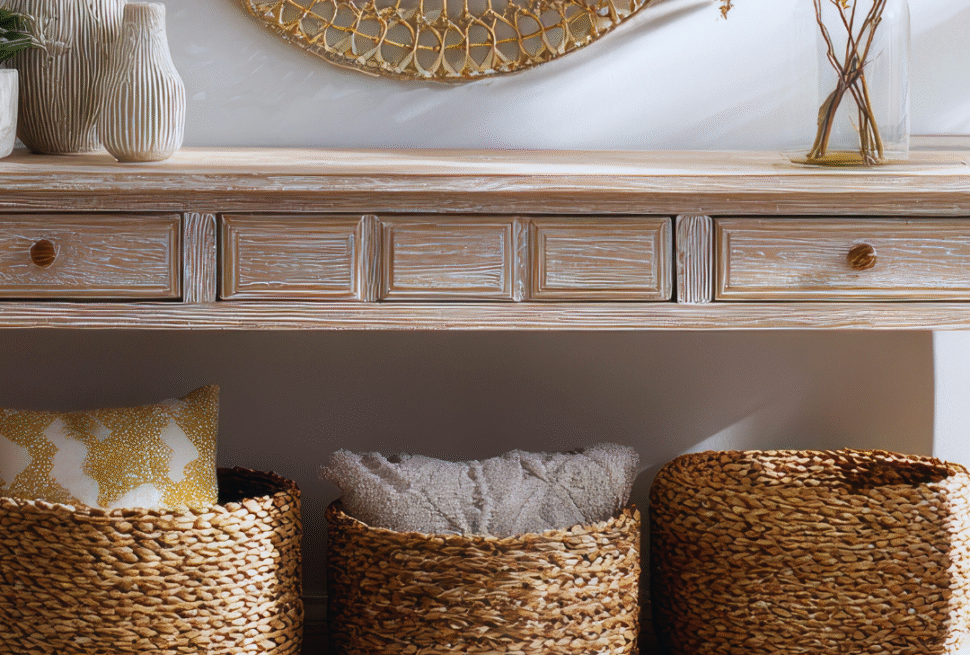
Storage bins streamline clutter by grouping similar items like chargers and notebooks together. Choose stackable bins to save floor and desk space while allowing easy access. Transparent bins support visual organisation.
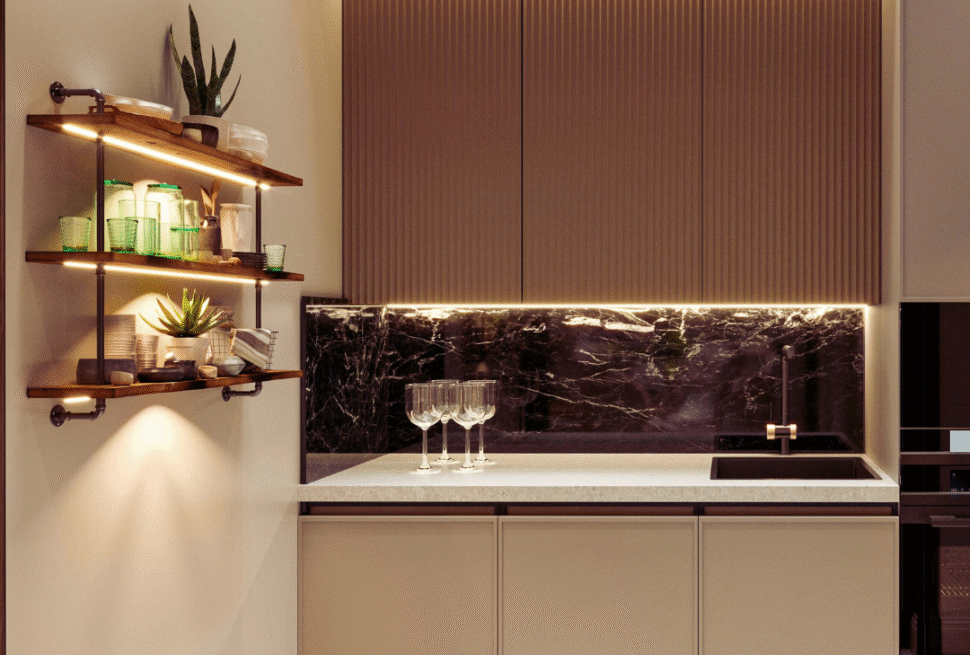
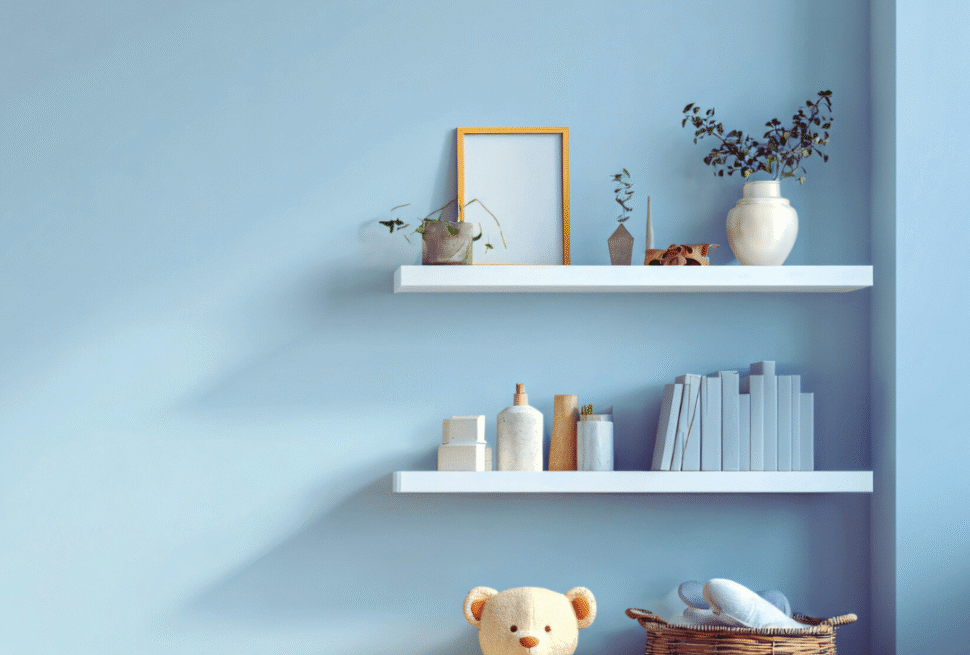
Floating shelves create additional storage without sacrificing floor area. They are ideal for books, reference materials, and decor, keeping frequently used items within sight but off the desk. Position shelves at eye level to reduce neck strain.
Combining bins with floating shelves offers both closed and open storage, allowing neat concealment alongside display opportunities. This layered approach supports a cleaner, more efficient workspace.
Adding Personality with Pegboards and Decor
A pegboard is a versatile tool for displaying both functional items and personal touches. Hooks hold headphones, scissors, or calendars, while shelves on the pegboard showcase plants and photos. Customising pegboards with colours or frames enhances interior design.
Incorporating personal decor, such as art prints or motivational quotes, makes the workspace inviting without becoming distracting. Keep decorations minimal and purposeful to maintain focus.
He or she can add texture with small rugs or cushions to create comfort. Functional personalisation boosts motivation and makes the workspace uniquely theirs.