Many people want to improve their homes but feel daunted by complicated projects. Easy weekend DIY projects provide practical solutions that require minimal tools and time, making home improvement accessible to most. These projects can enhance both the look and functionality of a home without the need for professional help.
Simple tasks like repainting a room, installing shelves, or updating fixtures can refresh a space quickly and effectively. By choosing manageable projects, anyone can make noticeable improvements over a single weekend. This approach helps build confidence for more advanced DIY work in the future.
Taking on small DIY tasks over a weekend also saves money and gives a sense of personal achievement. With the right guidance, these projects become straightforward and rewarding, allowing homeowners to take control of their living environment.
Essential Tools and Safety Tips for Weekend DIY Projects
Effective DIY work relies on having the right tools, ensuring they are good quality but affordable, and maintaining proper safety measures. Preparing a secure workspace and wearing appropriate protective equipment reduces risks during projects.
Must-Have Hand and Power Tools
Basic hand tools include a claw hammer, screwdrivers (flathead and Phillips), a tape measure, and a spirit level. These cover most small repair and assembly tasks. A cordless drill with multiple drill bits and screwdriver attachments is essential for efficiency and versatility.
A jigsaw or circular saw is useful for cutting wood or plastic, especially when handling larger projects. Power tools should feature safety locks and ergonomic handles to improve control. Regularly checking blades, batteries, and cords ensures tools remain safe to use and perform well.
Choosing Quality Tools on a Budget
Buying quality tools doesn’t mean picking the most expensive items. Look for brands known for durability and good warranties, which can save money over time. Check online reviews and local DIY stores for recommendations.
Second-hand tools from reputable sources can offer value, but test them thoroughly. Prioritise essential tools like drills and tape measures for better build quality. For less critical or occasional tasks, budget or multi-purpose tools may be sufficient without sacrificing safety or functionality.
Personal Protective Equipment and Workspace Preparation
Safety goggles are vital when using power tools to protect the eyes from debris. Work gloves prevent splinters and abrasions, while ear protection should be considered when operating noisy equipment. Closed-toe shoes with sturdy soles reduce the risk of foot injuries.
Preparing the workspace means clearing clutter, ensuring good lighting, and having a stable surface to work on. Electrical cords should be kept away from water and walkways to prevent accidents. Ventilation is important if using adhesives or paint, reducing inhalation of harmful fumes.
Simple Interior Upgrades for Immediate Impact
Small changes can transform a room’s look without extensive work. These projects focus on colour, storage, and fixtures to refresh interiors efficiently.
Paint an Accent Wall for Visual Interest
Painting an accent wall uses colour strategically to create a focal point. Choose a wall that naturally draws attention, such as behind a sofa or bed.
A fresh coat of paint in a bold or contrasting colour adds depth and character. Matte or eggshell finishes work well for most rooms, providing a modern, subtle texture.
Preparation is key: clean the wall, fill any holes, and apply painter’s tape along edges. Use high-quality brushes or rollers for even coverage. One coat may not suffice; two coats often deliver the best results.
This method is ideal for adding personality without painting the entire room. It is cost-effective and can be completed in a weekend.
Install Floating Shelves for Stylish Storage
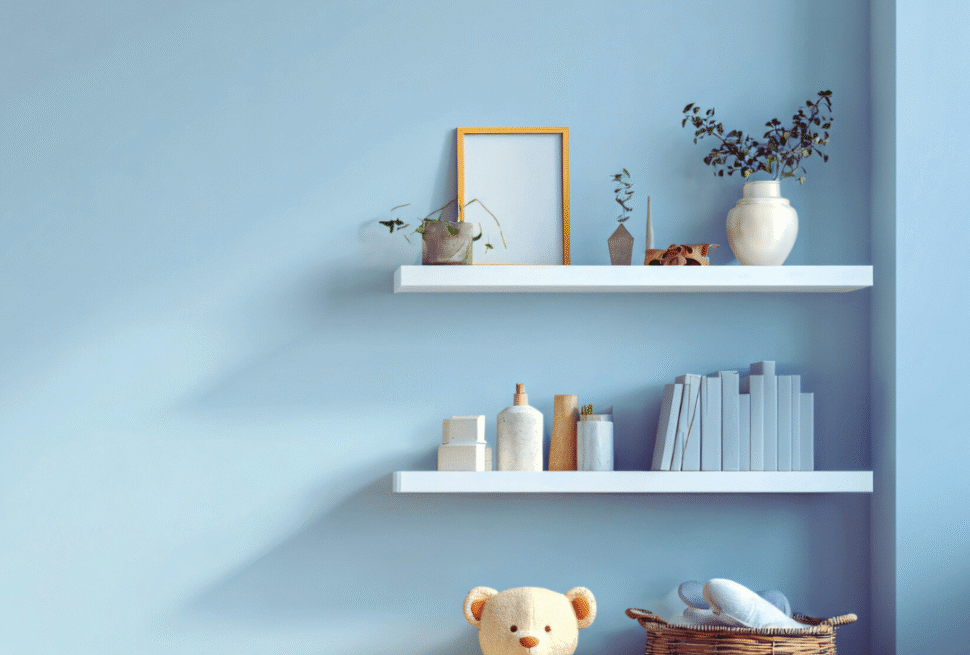
Floating shelves offer both function and aesthetic appeal. Using wooden boards, typically 1-2 inches thick, they can be mounted on walls without visible brackets.
Select sturdy, quality wood and finish it with paint or stain to match the room décor. Position them at common eye level or above frequently used furniture.
Installation requires locating wall studs with a stud finder for secure fixing. Use appropriate wall anchors or screws to ensure stability.
These shelves create open storage for books, plants, or decorative items while maintaining a clean, modern look. They are a straightforward DIY project that improves organisation visibly and practically.
Upgrade Cabinet Hardware for a Modern Look
Replacing cabinet hardware is an efficient way to modernise kitchens or bathrooms. Handles and knobs come in various finishes such as brushed nickel, matte black, or polished chrome.
Start by measuring the existing holes on cabinets or drawers to ensure compatibility with new hardware. Unscrew old fittings and clean the surface before installation.
Choose styles that complement the overall room design, whether minimalistic or decorative. This project requires simple tools, typically a screwdriver or drill.
Updating cabinet hardware provides an immediate style update without painting kitchen cabinets or replacing units. It’s an affordable accomplishment with noticeable effects on the space’s character.
Lighting and Ambience Improvements
Lighting impacts both the functionality and atmosphere of a home. Small upgrades can improve energy efficiency and create a more inviting space without large renovations. These projects focus on practical lighting solutions that enhance usability and mood.
Under-Cabinet Lighting for Kitchens
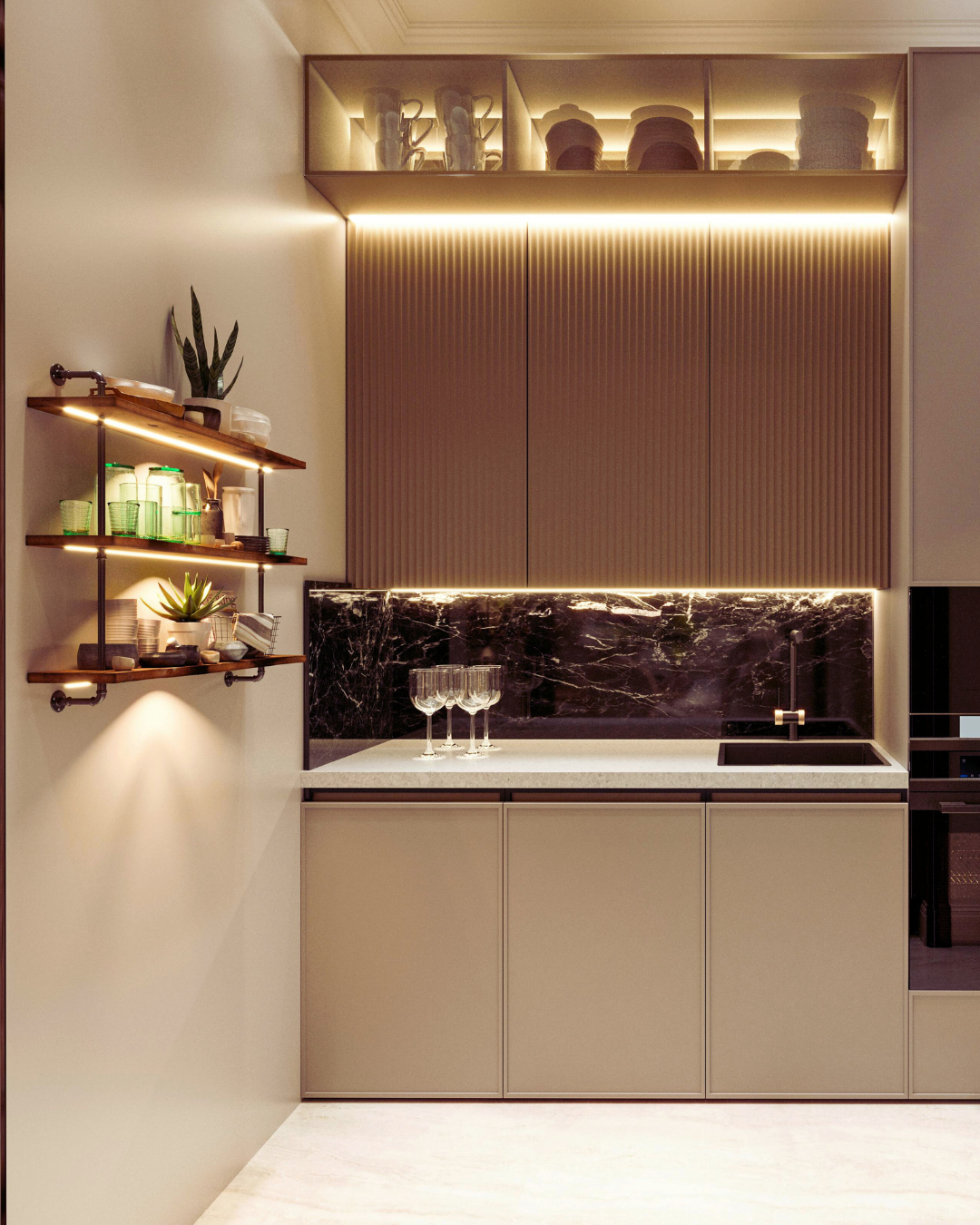
Under-cabinet lighting brightens countertop workspaces, making meal preparation safer and more efficient. LED strip lights are the most popular choice because they are slim, easy to install, and energy efficient.
They provide consistent, shadow-free illumination by being mounted under the cabinet edges. Installation typically requires adhesive backing and minimal wiring, which can often be connected to existing kitchen circuits or plug sockets.
Besides improved task lighting, LED strips produce less heat and use significantly less electricity than traditional bulbs. This upgrade is particularly useful in kitchens with limited natural light or dark cabinetry.
Install a Dimmer Switch for Versatility
A dimmer switch allows control over the brightness of ceiling or wall-mounted fixtures. By adjusting light levels, homeowners can create different moods or save energy when full lighting is unnecessary.
Installation mainly involves replacing a standard switch with a compatible dimmer switch, which is a straightforward electrical DIY task. It’s crucial to check the type of bulbs used since dimmer switches work best with dimmable LEDs or incandescent bulbs.
Adding a dimmer also extends bulb life by reducing wattage. It works well in living rooms, bedrooms, and dining areas where lighting needs vary throughout the day.
Replace Outdated Light Fixtures
Replacing old light fixtures instantly modernises a room’s look and can improve lighting output and efficiency. Many outdated fixtures use incandescent bulbs that consume more energy, whereas newer models often support LEDs or energy-saving bulbs.
Choose fixtures that suit the room’s function and décor, consider size, light direction, and style. Installation may require basic wiring skills, but can usually be completed within a few hours.
Upgrading fixtures with integrated LED technology often reduces maintenance due to longer bulb lifespans. This approach supports home improvement goals while reducing electricity costs.
Creative Decor and Outdoor Enhancements
Enhancing a home’s visual appeal and functionality can be achieved with simple, focused projects. These upgrades include artistic indoor touches and practical outdoor improvements that maximise both space and style.
Create a Personalised Gallery Wall
A gallery wall breathes life into blank interior spaces using photos, artwork, or keepsakes. The key is to plan the layout before hanging. Arrange frames on the floor first to find a balanced composition.
Using varying frame sizes and styles adds interest, but maintaining a consistent colour palette helps unify the display.
Adding crown moulding above or around the gallery wall can elevate the overall look, framing the collection neatly and adding architectural detail.
This weekend home improvement project requires basic tools: measuring tape, level, and appropriate wall fixings based on the wall type. Precision in spacing keeps the wall visually organised.
Boost Curb Appeal with Exterior Updates
Simple exterior updates can dramatically improve curb appeal. Fresh paint on front doors, shutters, and trim instantly modernises the façade.
Installing outdoor lighting highlights pathways or architectural features, enhancing both safety and aesthetics. Flower boxes or planters near entrances create vibrant, welcoming accents.
Replacing or adding crown moulding around eaves or porch areas adds subtle detail, improving the home’s structural character without costly renovations.
These projects usually require a few hours and standard tools like paintbrushes, drills, and screwdrivers, making them manageable over a weekend.
Build a Functional Storage Bench
A storage bench combines seating and organisation, ideal for patios, porches, or entryways. Building one from wood allows customised dimensions and finish.
Essential materials include treated timber, hinges, weatherproof paint, and screws. Proper measuring and cutting ensure sturdiness and fit.
Design options range from simple box benches to models with backrests or cushions. Installing the bench near doorways provides practical storage for shoes or garden tools.
Adding cushions and sealed finishes improves comfort and durability, making this project both expressive and useful for outdoor or indoor spaces.