Choosing the right materials is essential for creating DIY décor that is both stylish and eco-friendly. The best materials are those that minimise environmental impact, such as reclaimed wood, bamboo, and recycled fabrics. These options reduce waste and demand less energy in production compared to conventional materials.
Many DIY enthusiasts look for materials that offer sustainability without sacrificing quality or aesthetics. Natural fibres like jute and organic cotton, along with biodegradable paints, also play a crucial role in eco-friendly projects. Using these materials helps support greener living while adding a unique, handmade touch to home décor.
Understanding the benefits and availability of such materials can guide anyone towards making better choices in their DIY work. This knowledge empowers creators to contribute positively to environmental conservation while enjoying their craft.
Core Principles of Eco-Friendly DIY Décor
Eco-friendly décor relies on intentional choices in materials and methods that reduce environmental impact. It prioritises sustainability, encourages the use of natural resources, and supports a lifestyle that values long-term environmental health.
Understanding Sustainability in Home Decor
Sustainability in home décor means using resources without depleting them or causing harm to ecosystems. It involves selecting materials that are renewable, biodegradable, or recyclable.
A focus on carbon footprint and resource efficiency guides sustainable choices. For instance, opting for recycled wood or repurposed fabrics minimises waste and lowers emissions.
Considering product lifespan is also crucial. Durable décor items reduce frequent replacements, cutting down overall environmental strain.
Natural Materials and Their Benefits
Natural materials, such as bamboo, cork, jute, and organic cotton, are preferred in eco-friendly décor for their renewability and biodegradability. They often require less energy to harvest and process compared to synthetic alternatives.
These materials provide health benefits, like improved indoor air quality due to fewer chemicals and toxins.
Some examples include:
- Bamboo: fast-growing, strong, and versatile.
- Cork: renewable bark that is durable and water-resistant.
- Jute and Hemp: natural fibres, biodegradable and renewable.
Using these sustainable materials supports eco-friendly homes by reducing environmental damage and promoting healthier living spaces.
Adopting a Sustainable Lifestyle Through Decor Choices
A sustainable lifestyle through décor combines mindful purchasing with resourcefulness. Choosing items that are multipurpose or upcycled reduces waste and the need for new resources.
Consumers may prioritise local materials and crafts, decreasing transportation emissions. They also favour products certified for environmental standards, such as FSC-certified wood.
Simple changes like repurposing old furniture with eco-friendly paints or textiles extend product life. This approach aligns décor choices with broader sustainability goals, fostering a genuinely eco-friendly home environment.
Popular Eco-Friendly Materials for DIY Décor Projects
Eco-conscious creators often select materials that minimise environmental impact while offering durability and aesthetic appeal. Using resources that are renewable, biodegradable, or reclaimed supports sustainability in home décor.
Organic Cotton and Natural Fibres
Organic cotton is grown without synthetic pesticides or fertilisers, reducing soil and water contamination. It provides a soft, breathable option for cushions, curtains, and upholstery in DIY projects.
Natural fibres like linen, wool, and silk also offer biodegradable qualities and strong durability. They tend to have a lower carbon footprint compared to synthetic alternatives. These materials often require less water and energy during production.
Their textures and finishes add a tactile, natural element to décor. Choosing organic cotton and natural fibres ensures both environmental benefits and practical use in various crafts.
Reclaimed and Salvaged Wood
Using reclaimed wood reduces the demand for new timber, helping to preserve forests. It often comes from old buildings, pallets, or discarded furniture, combining sustainability with unique character.
Salvaged wood displays signs of age, such as knots, weathering, and varied grain patterns, which add rustic charm. It is suitable for shelves, frames, and decorative panels.
Reclaimed wood is typically durable given its prior use, but it should be checked for pests or damage before reuse. Finishing with non-toxic stains or varnishes maintains eco-friendliness.
Bamboo and Renewable Resources
Bamboo grows rapidly and can be harvested sustainably within three to five years. Its strength and flexibility make it a versatile option for furniture, blinds, and floor coverings.
It regenerates without replanting, requiring minimal water and no pesticides. Bamboo’s fast growth rate contributes to carbon sequestration, lowering its environmental footprint.
Using bamboo responsibly means sourcing from certified suppliers who follow ethical harvesting practices. It combines modern appeal with ecological benefits for DIY décor.
Jute, Hemp, and Other Sustainable Textiles
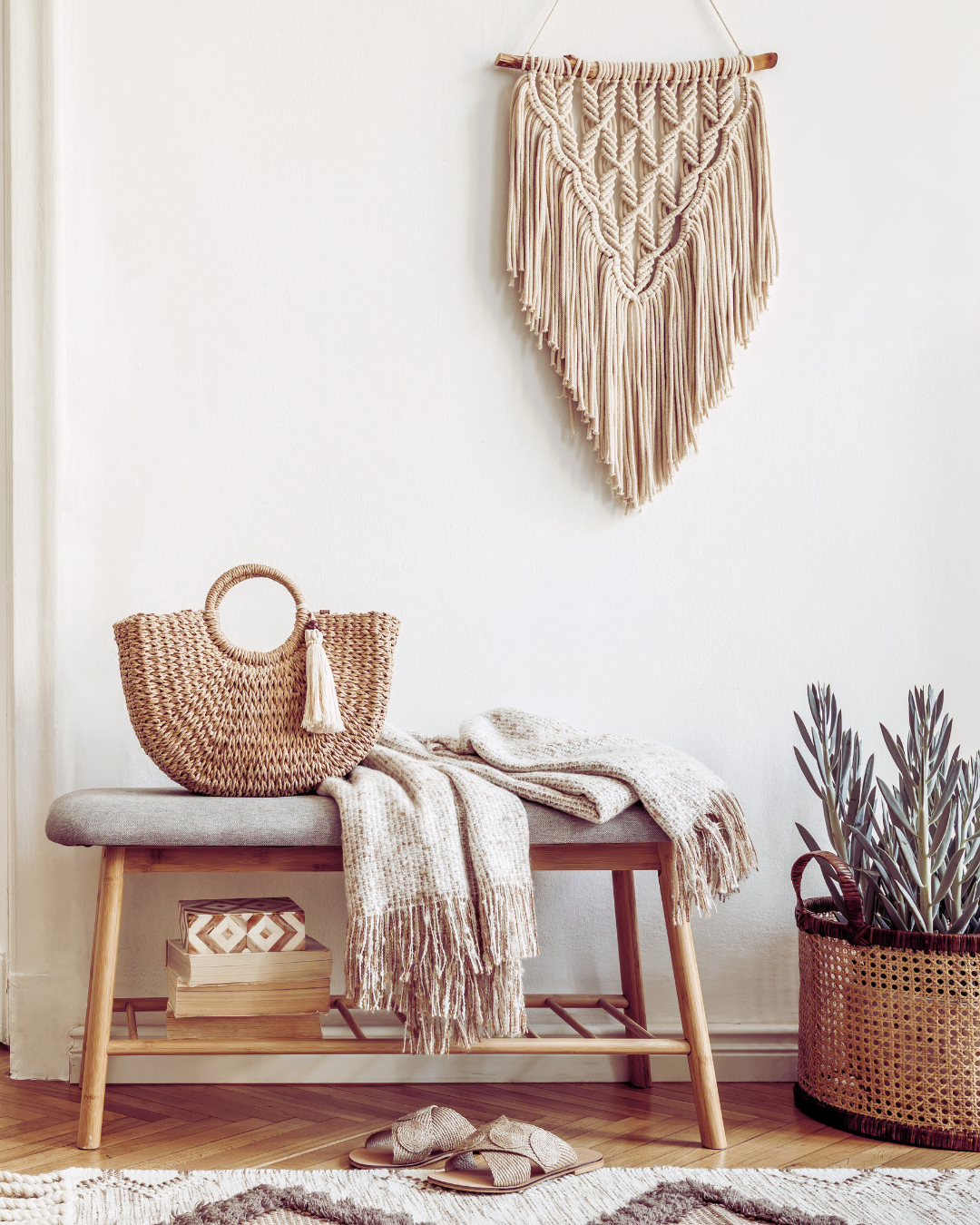
Jute and hemp are natural fibres grown with little need for chemicals or irrigation. Their coarse texture suits rustic décor items like rugs, wall hangings, and storage baskets.
Hemp is one of the strongest natural fibres, resistant to mould and UV light, making it durable for indoor and outdoor use. Jute biodegrades quickly and supports soil health through crop rotation.
Both fibres have high tensile strength, making them excellent for woven or braided décor accents. Their cultivation typically supports low-impact farming systems, enhancing sustainability.
Creative Eco DIY Techniques and Approaches
Effective eco DIY begins with practical methods that reduce waste and utilise sustainable resources. These approaches range from transforming common items into new decor to selecting materials that minimise environmental impact.
Upcycling Household Items
Upcycling is a key eco-friendly technique that converts unused or discarded household objects into decorative pieces. Instead of adding to landfill, items like glass jars, wooden crates, and old textiles are transformed into lamps, shelving, or cushions. This process extends the life of materials and reduces resource consumption.
Simple tools like sandpaper, eco-friendly glue, or non-toxic paint can enhance these projects without harming the environment. Upcycling also allows for personalised décor, encouraging creativity and reducing the demand for new products.
Using Recycled Materials in Decorations
Incorporating recycled materials involves sourcing items made from reclaimed wood, metal, or paper for DIY décor. For example, pallets can be converted into rustic furniture, and shredded paper can be used for papier-mâché art. These materials not only divert waste but also often require less processing energy.
Choosing certified recycled content ensures quality and sustainability. When selecting recycled materials, it is important to verify their origins and treatment methods to maintain environmental benefits.
Eco-Friendly Paints and Finishes
Applying eco-friendly paint and finishes is crucial for sustainable décor projects. These products have low volatile organic compounds (VOCs), reducing indoor air pollution and toxicity. They are often water-based and made from natural ingredients like clay, chalk, or milk protein.
Using eco-friendly finishes preserves the appearance and durability of upcycled or recycled pieces without introducing harmful chemicals. This choice supports healthier living environments and aligns with eco-friendly DIY principles.
Integrating Sustainable Materials for Lasting Style
Using sustainable materials in home décor provides both durability and a timeless appearance. Selecting versatile textures, colours, and finishes ensures an eco-friendly home remains visually appealing over time. Proper maintenance also extends the life of these materials, reducing waste.
Styling Tips for an Eco-Friendly Home
Natural fibres like jute, hemp, and organic cotton add texture without synthetic chemicals. Incorporating reclaimed wood furniture or décor pieces can bring character while reducing environmental impact.
Neutral palettes with earth tones such as greens, browns, and soft greys complement sustainable materials. These colours create a calming atmosphere and adapt well to evolving trends.
Plants enhance spaces and improve air quality. Arranging potted herbs or low-maintenance succulents alongside bamboo décor balances style with eco-consciousness.
Blending Function and Aesthetics with Green Choices
Materials like bamboo and cork combine water resistance with durability, ideal for kitchens or bathrooms. These options are compostable and replenish quickly compared to hardwoods.
Recycled glass or aluminium can be used in lighting fixtures or decorative accents, offering a sleek design with minimal environmental footprint.
Soft furnishings made from organic wool or recycled polyester assure comfort and sustainability. Choosing hypoallergenic, non-toxic dyes prevents indoor pollution and preserves health.
Maintaining and Caring for Eco-Friendly Decor
Regular cleaning with natural products like vinegar or castile soap prevents damage caused by harsh chemicals. This practice helps maintain colour and texture integrity longer.
Treating wooden surfaces with eco-friendly oils or waxes protects against drying and cracking without harmful solvents. Avoid prolonged exposure to direct sunlight to reduce fading.
Repairing and refurbishing rather than replacing slows the cycle of consumption. Small fixes such as re-stitching cushions or reglasing ceramics enhance longevity while promoting sustainability.