Refreshing a room doesn’t require a full renovation or expensive purchases. Simple DIY changes can transform the space effectively without much effort or cost. Changing elements like paint colours, soft furnishings, or lighting can instantly update the room’s feel and atmosphere.
They can also rearrange furniture or add small decorative touches to create a fresh look. These adjustments make a noticeable difference while being easy to implement for anyone.
Knowing which changes deliver the most impact helps focus energy on practical improvements rather than unnecessary work. This guide breaks down straightforward ideas to give any room a quick and accessible refresh.
Decluttering and Organising Essentials
Creating a refreshed room begins with clearing unnecessary items and organising essentials efficiently. This involves removing clutter, choosing functional storage, and adding decorative touches that complement the room’s style.
Embracing Declutter for a Fresh Start
Decluttering is the first crucial step to refreshing any space. It involves sorting through belongings and removing items that no longer serve a purpose or bring joy. This process frees up physical space and makes the room feel lighter and more open.
A practical approach is to designate three piles: keep, donate, and discard. This method helps make decisions quicker and reduces the workload. Regular decluttering sessions prevent accumulation and maintain a tidy environment.
Implementing Stylish Storage Solutions
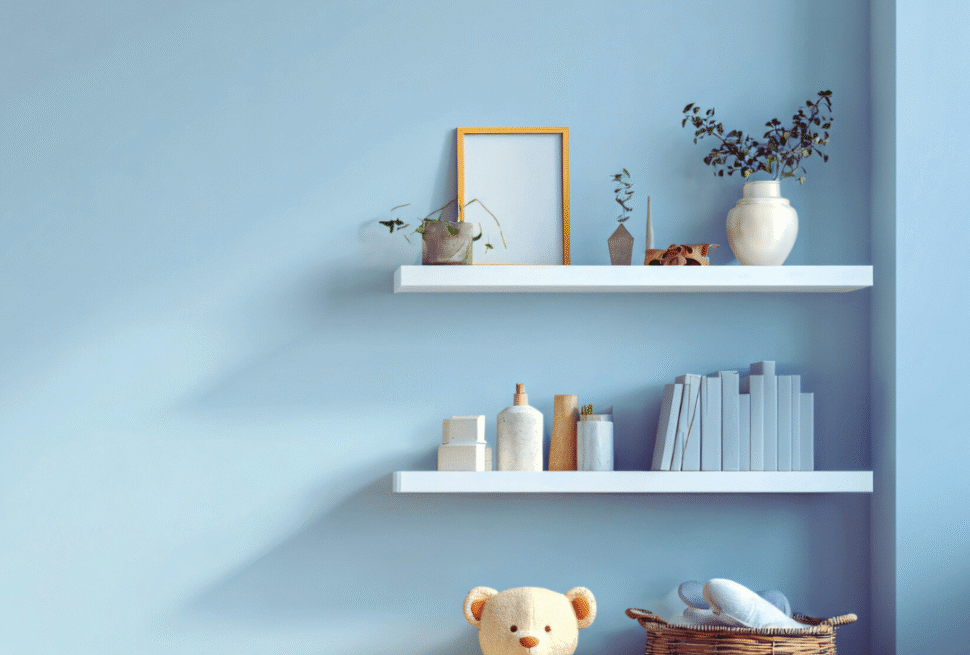
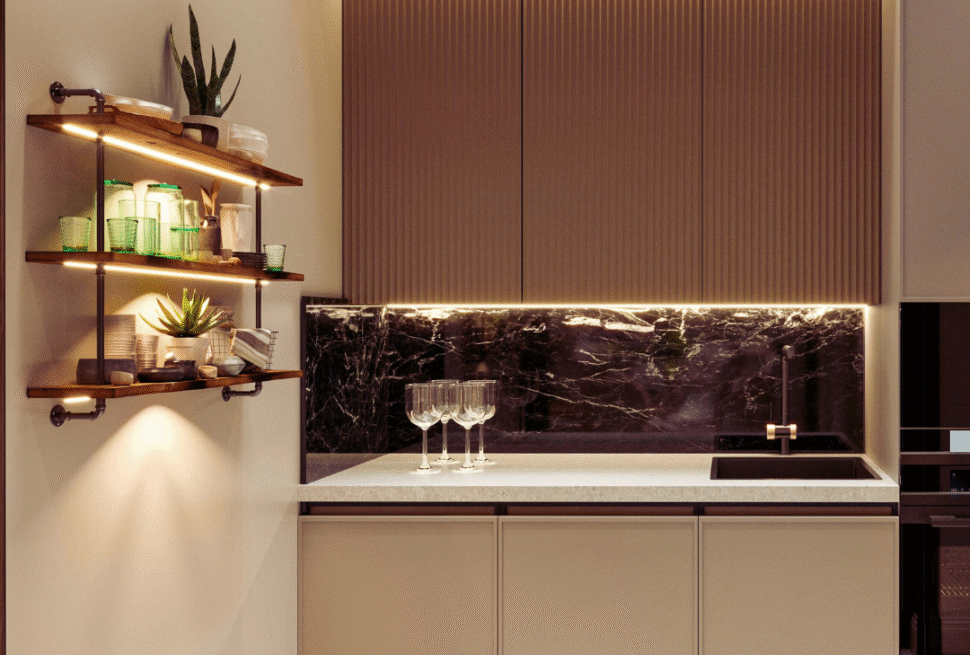
Choosing storage that is both practical and visually appealing enhances room organisation. Shelving units with clean lines and closed cabinets can hide clutter while maintaining neatness. Multipurpose furniture with built-in storage adds function without sacrificing style.
Opt for storage that complements the room’s colour scheme and style. For example, wooden boxes can add warmth while metallic bins offer a sleek look. Labelled containers promote easy access and encourage consistent organisation habits.
Using Decorative Trays and Storage Baskets
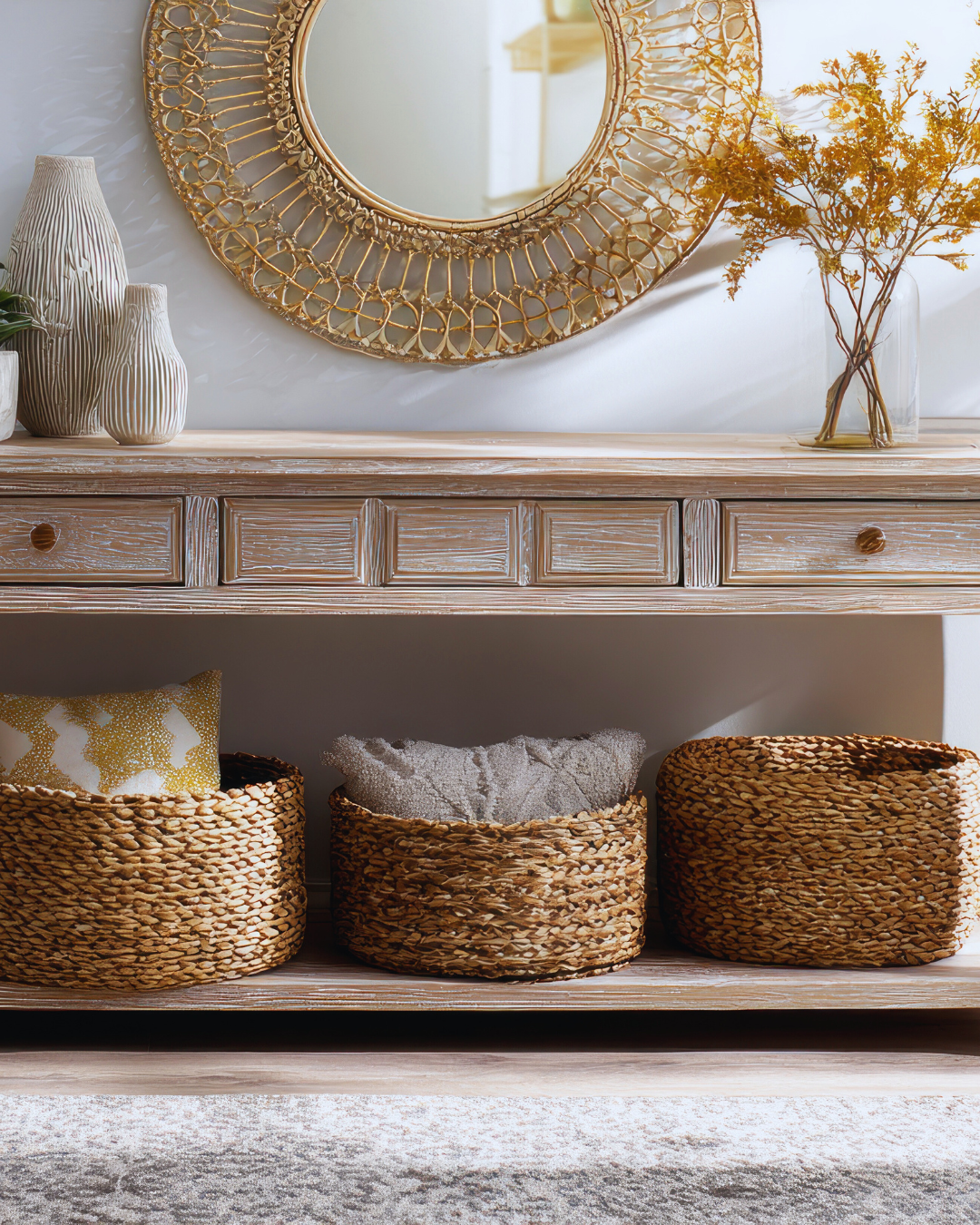
Decorative trays and storage baskets combine utility with decor accents. They keep small items like remote controls, keys, or stationery organised without disrupting the room’s aesthetic. Placing trays on surfaces like coffee tables or consoles adds structure and order.
Baskets in natural fibres such as wicker provide texture and softness, perfect for storing blankets or magazines. Using a variety of sizes and shapes allows for versatile placement throughout the room while maintaining a cohesive look.
Simple DIY Layout and Furniture Changes
Small adjustments to furniture placement and hardware can significantly alter a room’s look and functionality. Changing the flow and updating details like handles can refresh the space without a full renovation.
Rearranging Furniture for Maximum Impact
Rearranging furniture optimises space and improves room flow. Moving a sofa to face the room’s natural focal point, such as a fireplace or window, creates a balanced layout. Avoid blocking pathways and make sure there is at least 60cm of clearance between pieces for easy movement.
Heavier furniture should be positioned against walls to open the centre space. Creating distinct zones—like a reading corner or dining area—can make a room feel larger and more purposeful. Test multiple arrangements to find the most comfortable and visually pleasing setup.
Updating with New or Swapped Cabinet Handles
Swapping cabinet handles is a simple way to modernise kitchens or storage units. Choose handles that complement existing fixtures and the room’s colour scheme. For example, matte black handles add contrast to white cabinetry, while brushed brass provides warmth.
Measure the distance between screw holes before purchasing new handles to ensure a proper fit. Replacing handles one door at a time minimises disruption. Use a screwdriver for removal and install new handles firmly to avoid loosening over time.
Replacing Drawer Pulls for Modern Appeal
Changing drawer pulls can significantly update dated furniture. Select pulls that match other hardware for a cohesive look. Handle styles vary from bar pulls to cup pulls, each offering a different feel—bar pulls tend to be sleek and minimalist, while cup pulls provide a vintage touch.
Remove old pulls by unscrewing them carefully. Clean the surface before installing new pulls to ensure a smooth fit. For uniformity, check that screws align with existing holes or use filler for old screw marks. Updated pulls can enhance both aesthetics and grip comfort.
Textiles and Soft Furnishings Refresh
Updating textiles and soft furnishings can significantly change a room’s feel with minimal effort. Choosing the right materials, patterns, and layering techniques enhances texture and comfort, making spaces more inviting and visually interesting.
Adding or Swapping Throw Pillows
Changing throw pillows is a quick way to refresh a sofa or chair. Selecting pillows with varied textures, such as velvet, linen, or knit, adds depth to seating areas. Patterned pillows can introduce colour and contrast, while solid colours help unify a scheme.
Mixing sizes also matters. Using a combination of large square pillows with smaller rectangular or round cushions creates a balanced and layered look. Seasonal swaps allow changes that suit the weather, like lighter fabrics for summer and cosy materials for winter.
Layering Rugs for Texture and Depth
Layering rugs is an effective method to add dimension. Starting with a neutral or flat-weave base rug, smaller patterned or textured rugs can be placed on top. This technique highlights different materials and shapes, breaking monotony.
A wool rug layered beneath a jute or sisal rug creates tactile interest while protecting delicate fibres. Layering also defines zones within larger rooms, distinguishing seating areas or dining spaces visually without physical barriers.
Introducing Blankets and Throw Blankets
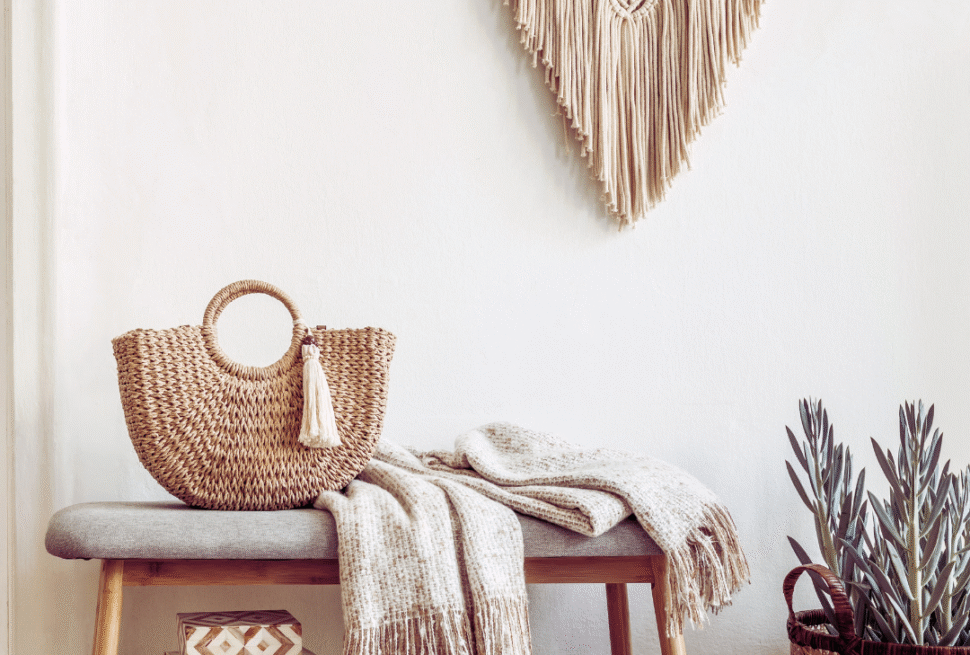
Blankets and throw blankets bring warmth and softness to any room. Draping a throw blanket over a chair, sofa, or foot of the bed introduces comfort and casual elegance. Choosing materials like wool, cotton, or faux fur affects the style and usability.
Patterned or coloured throw blankets can complement existing textiles, tying cushions and rugs together. They also provide functional warmth, ideal for colder months or cooler evenings, while serving as easy-to-change decorative elements.
Selecting Area Rugs to Redefine Spaces
Area rugs anchor furniture and define spaces clearly. Proper sizing is crucial; rugs too small can look out of place, so they should fit underneath key furniture pieces. For example, in a living room, all front legs of sofas and chairs ideally rest on the rug.
Material choice depends on room use. Durable fibres like nylon or wool suit high-traffic areas, while softer textiles work well in bedrooms. Colours and patterns help create a mood, whether calming neutrals for relaxation or bold designs for visual excitement.
Creative DIY Décor and Natural Elements
Introducing natural elements and creative décor ideas can quickly transform a room without major renovations. Simple additions like plants, art, and personal photos help define space and bring life to interiors.
Incorporating Plants and Greenery
Adding greenery enriches any room with texture and fresh air. Popular low-maintenance options include snake plants and pothos, which thrive indoors without much sunlight or water. Succulents are ideal for small spaces and require minimal care.
Plants should be placed where they receive appropriate light—near windows or on shelves. Grouping different sizes creates visual interest. Using decorative pots in neutral colours or natural materials like terracotta enhances the natural vibe.
Displaying Potted Plants and Fresh Flowers
Potted plants bring depth and a natural colour palette to rooms. Mixing various pot styles and heights adds dimension. For instance, ceramic pots with matte finishes work well in minimalistic designs.
Fresh flowers introduce seasonal colour and scent. They can sit in simple glass vases or vintage containers to complement the décor. Changing flowers regularly keeps the room feeling lively. A small table or windowsill is a perfect spot for flower arrangements.
Curating Wall Art and Gallery Walls
Wall art personalises a room and sets the tone visually. Creating a gallery wall with framed prints, canvases, or DIY art is an affordable way to fill empty walls. Aligning frames in clean grids or curated clusters keeps the look intentional.
Choosing pieces with complementary colour schemes maintains harmony. Black and white artworks work well with greenery, while abstract prints can add modern contrast. Using consistent frame styles or colours helps unify varying artworks.
Displaying Family Photos for a Personal Touch
Family photos add warmth and meaning to a space. Rather than overcrowding walls, selecting a few key images in matching frames creates a cohesive display. Arranging photos on shelves or side tables also works well.
Mixing black and white or sepia-toned photos with colour images adds texture and depth. Personalised photo albums or small framed collages provide another way to showcase memories without overwhelming a room.