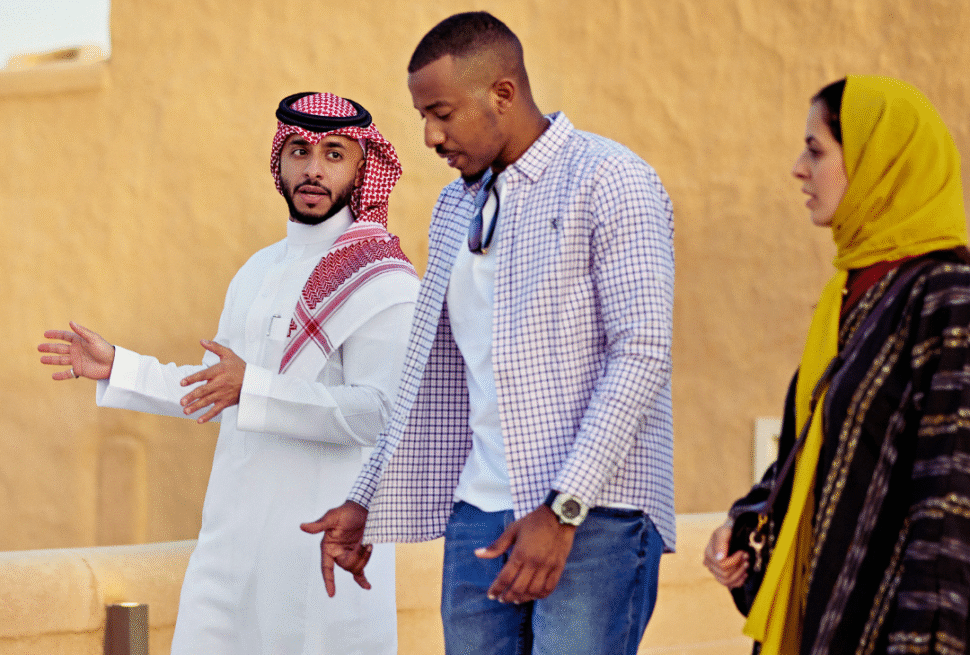

Travel often brings more than just new sights; it offers vital lessons in understanding different cultures. One particular experience highlighted how crucial cultural awareness is when interacting with people from unfamiliar backgrounds. Recognising and respecting cultural differences can prevent misunderstandings and enrich personal experiences on the road.
This lesson became clear through everyday interactions that initially seemed simple but carried deeper cultural significance. An open mind and sensitivity to local customs transformed a potentially awkward situation into a meaningful connection.
Cultural awareness is not just about knowing facts; it’s about paying attention and adapting behaviour respectfully. This mindset opens doors to genuine engagement and smoother travel experiences.
Understanding Cultural Awareness on the Road
Cultural awareness helps travellers navigate social settings respectfully and effectively. It involves recognising and adapting to differences in behaviour, communication, and customs encountered in various cultural contexts.
Defining Cultural Awareness
Cultural awareness refers to recognising and understanding the differences and similarities between cultures. It means being conscious of one’s own cultural identity and how it shapes perceptions.
At its core, it involves avoiding assumptions and stereotypes about others based on their cultural background. Instead, it promotes openness to learning and respect for diverse ways of life.
This awareness is essential for effective communication and interaction, especially in unfamiliar environments. It can prevent misunderstandings and improve relationships across cultural divides.
Recognising Diverse Cultural Backgrounds
Every culture has distinct values, beliefs, and social norms shaped by history, geography, and religion. Being aware of these factors helps travellers approach interactions with sensitivity.
For example, greetings, gestures, and even eye contact may hold different meanings across cultures. What is polite in one society may seem rude in another.
Understanding these differences allows for respectful behaviour suited to the local context. It also enables travellers to appreciate the reasons behind certain practices, not just the actions themselves.
The Role of Traditions in Cultural Interaction
Traditions are key expressions of a culture’s identity, often guiding everyday behaviour and social rituals. They influence how individuals relate to family, community, and strangers.
When travelling, recognising local traditions—such as dress codes, food customs, or religious observances—is crucial. This respect demonstrates awareness and fosters trust.
Ignoring or violating traditions can lead to offence or conflict. Acknowledging these practices ensures smoother and more positive cultural exchanges on the road.
Lessons Learned Through Real-World Experiences
Real-world travel often exposes individuals to complexities that cannot be understood through books alone. Experiences involving communication breakdowns, cultural biases, and moments requiring empathy shape deeper awareness and understanding.
Navigating Misunderstandings While Travelling
Misunderstandings frequently arise from language barriers and differing social norms. For example, a gesture considered polite in one culture may be offensive in another. Recognising such differences early helps avoid conflict.
Travel also reveals the importance of clarifying intentions through questions or body language, rather than assumptions. This process encourages patience and attentiveness when interacting across cultures.
Adapting to unfamiliar customs involves observing local behaviour and adjusting accordingly. This practice prevents escalation and fosters respectful exchanges, turning confusion into learning opportunities.
The Impact of Race and Bias on Intercultural Encounters
Race and unconscious bias often influence how people perceive and are perceived in foreign environments. These biases can affect interactions, sometimes causing discomfort or misunderstanding.
Travel exposes these dynamics directly, highlighting the need for awareness of one’s own prejudices. Witnessing or experiencing racial bias abroad challenges individuals to confront and reconsider ingrained assumptions.
Understanding how race shapes social interactions abroad supports more thoughtful and respectful engagement. It also underscores the necessity of critical thinking when interpreting others’ behaviour and intentions.
Developing Empathy and Critical Thinking Abroad
Living in a different culture requires constant adjustment and an open mind. Empathy becomes essential for interpreting unfamiliar social cues and actions without immediate judgment.
Critical thinking allows travellers to question their preconceived notions and analyse situations beyond surface impressions. This skill is crucial in avoiding stereotypes and recognising individual complexity.
Through reflection and dialogue, travellers deepen their cultural knowledge. They learn to balance respect for traditions with the ability to critique and understand cultural differences objectively.
Promoting Cultural Awareness in Education
Cultural awareness in education requires deliberate strategies to value diversity and address varied student needs. Effective methods involve active roles for educators and integration of diverse content, including the arts, to engage learners meaningfully.
Educators as Facilitators of Diversity
Educators play a pivotal role in creating an inclusive environment that recognises and respects cultural differences. They must facilitate open discussions that encourage students to share their backgrounds and experiences without fear of judgment.
Teachers should receive training in cultural competence, enabling them to understand biases and adapt their behaviours accordingly. This preparation supports positive interactions and promotes respect among students from different cultures.
By modelling inclusive attitudes, educators help reduce stereotypes and foster empathy. Their leadership can shape classroom norms that value diversity as a source of strength and learning.
Responsive Teaching Strategies
Responsive teaching adapts to students’ cultural contexts and learning styles. It involves understanding students’ backgrounds and tailoring instructional methods to meet diverse needs.
Examples of responsive strategies include differentiated instruction, using culturally relevant examples, and flexible assessment formats. These approaches improve engagement and make learning more accessible for all students.
Responsive teaching also means recognising potential barriers, such as language differences, and employing support mechanisms like bilingual resources or peer mentoring to assist learners in overcoming these challenges.
Integrating Music and Arts to Celebrate Diversity
Music and the arts offer powerful tools to expose students to diverse cultural expressions. Incorporating these elements into curricula helps students appreciate traditions and histories beyond their own.
Activities might involve learning songs from different cultures, exploring global art styles, and inviting community artists for workshops. Such initiatives make cultural learning tangible and memorable.
Using the arts encourages creativity while promoting respect for diverse heritages. It fosters a sense of belonging, allowing students to see their own culture reflected and valued in educational materials.
Implementing Cultural Awareness in Lesson Planning
Effective cultural awareness in education requires deliberate actions during lesson design and ongoing teacher growth. Both the structure of lesson plans and teacher training play crucial roles in fostering an inclusive learning environment.
Designing Inclusive Lesson Plans
Inclusive lesson plans incorporate diverse perspectives and experiences relevant to the students’ backgrounds. Educators should ensure materials reflect various cultures, avoiding stereotypes and biases.
Using multicultural resources, such as texts, images, and examples from different cultures, helps students connect personally to the content.
Flexibility is vital. Teachers can build in activities that encourage students to share their own cultural experiences, promoting respect and understanding.
Additionally, clear learning objectives should address cultural competence. For instance, objectives might include recognising cultural differences or analysing issues from multiple cultural viewpoints.
Professional Development for Cultural Competence
Professional development equips teachers with the skills necessary to implement cultural awareness confidently. Training sessions can include workshops on unconscious bias, communication styles, and cultural customs relevant to their student demographics.
Regular reflection exercises and peer discussions during these sessions enhance teachers’ understanding. Tools such as case studies and role-playing scenarios provide practical experience in managing culturally sensitive situations.
Ongoing development is essential rather than a one-time event. Schools may schedule periodic refresher courses to ensure teachers remain informed about evolving cultural dynamics.
By prioritising professional development, educators strengthen their capability to create respectful and engaging classroom environments aligned with culturally aware lesson planning.