
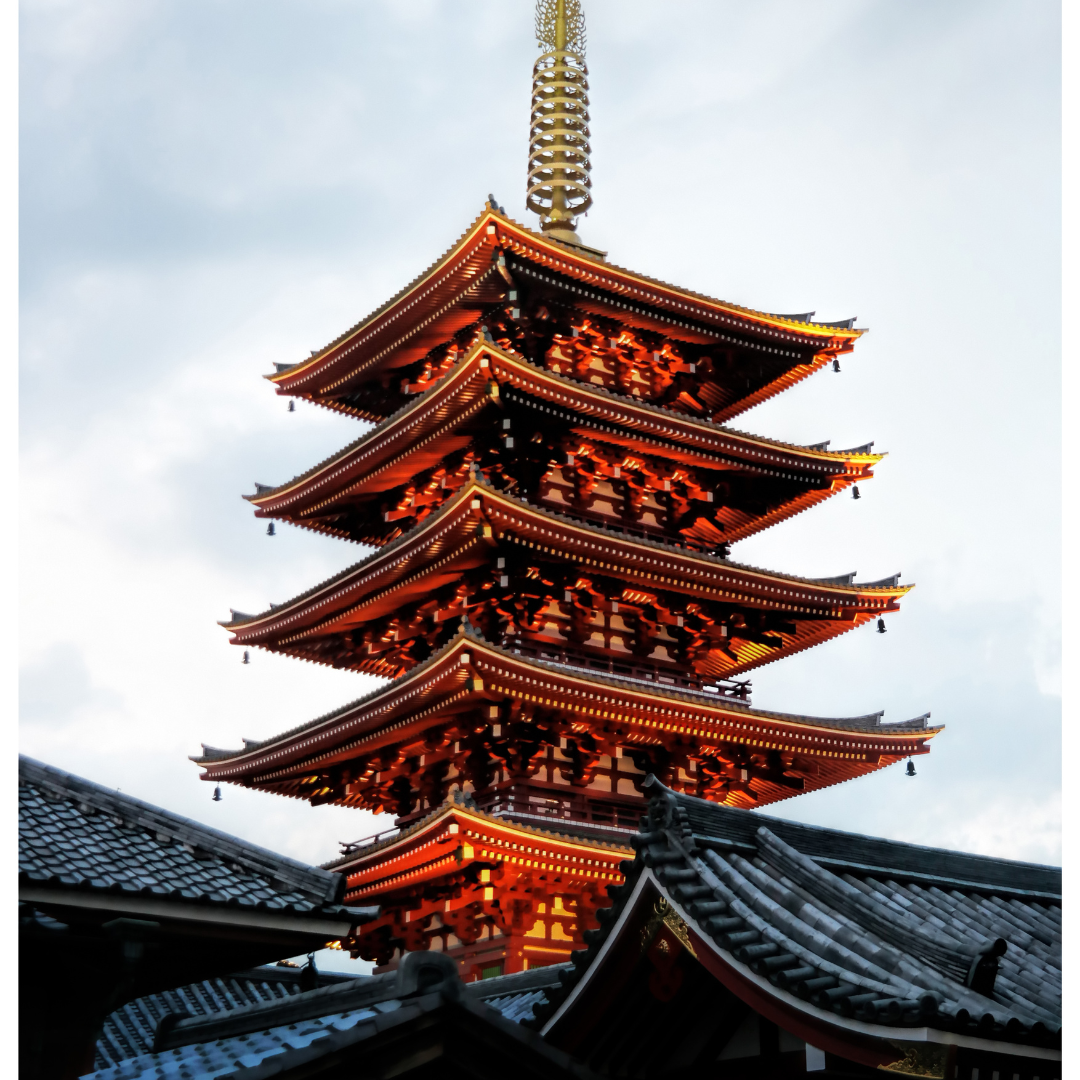
Tokyo is a vibrant metropolis known for its bustling streets and modern architecture, yet it also hides serene spaces that reveal the city’s rich cultural heritage. Exploring Tokyo’s hidden temples and gardens offers a unique glimpse into its spiritual and historical significance, allowing visitors to connect with the quieter aspects of Japanese culture. These secluded locations invite exploration and introspection away from the more tourist-heavy areas.
Often overshadowed by popular attractions, these hidden gems provide a contrasting experience, showcasing traditional craftsmanship and tranquil landscapes. Each temple and garden tells a story, serving as a testament to the enduring beauty and depth of Tokyo’s past. For those keen on discovery, the city’s lesser-known sites are brimming with tranquillity and reflection.
As adventurers wander through these peaceful retreats, they uncover not just beautiful scenery but also the essence of what makes Tokyo extraordinary. Venturing beyond the typical tourist path allows for a richer understanding of the city’s character and its harmonious blend of nature with urban life.
Unveiling Tokyo’s Hidden Temples
Tokyo is home to many hidden temples that reflect the city’s rich cultural heritage. These sites offer tranquillity amidst the urban hustle, providing insight into Japan’s spiritual traditions.
Nezu Shrine: A Testament to History
Nezu Shrine, established in the 1700s, is often overlooked yet holds significant historical importance. Nestled in Bunkyo, it features a stunning azalea garden that blooms beautifully in spring.
The shrine is dedicated to the deity of good fortune and is steeped in Shinto traditions. Visitors can admire the intricate architecture, including the striking vermilion torii gates leading to the main shrine. Events like the annual azalea festival attract those seeking beauty and cultural experience.
Gotokuji Temple and the Maneki-Neko
Gotokuji Temple, located in Setagaya, is renowned as the birthplace of the Maneki-Neko, or beckoning cat. This temple draws visitors keen to learn about its unique connection to this popular talisman believed to bring good luck.
The temple features numerous statues of the Maneki-Neko, creating a whimsical atmosphere. As a quiet retreat, it invites guests to explore its peaceful grounds, including a serene pond and traditional Japanese gardens. The temple also maintains rituals and honours the history of this iconic figure in Japanese culture.
The Serene Grounds of Kanda Myojin Shrine
Kanda Myojin Shrine, situated near Akihabara, is dedicated to the protection of merchants and their businesses. Its vibrant red structures contrast with the green surroundings, creating a visually striking setting.
Known for its unique blend of Shinto and modern elements, the shrine attracts both locals and tourists. Visitors often participate in various rituals, seeking blessings for success and prosperity. The charm of Kanda Myojin lies in its accessibility and tranquil atmosphere, making it a perfect spot for reflection and prayer amidst bustling Tokyo.
Secret Gardens of Serenity
Tokyo is home to several hidden gardens that offer a serene escape from the bustling city. These gardens blend nature’s tranquillity with artistic design and historical significance. Notable examples include Shinjuku Gyoen, Hama-Rikyu, and Kiyosumi Teien.
Shinjuku Gyoen: A Blend of Styles
Shinjuku Gyoen National Garden is a stunning fusion of traditional Japanese, English, and French landscape styles. Spanning 58.3 hectares, it provides a peaceful retreat characterised by lush lawns and ornamental trees. Visitors can find cherry blossoms in spring and vibrant foliage in autumn, making it a year-round destination.
The traditional teahouses nestled within the garden offer a taste of Japanese culture. They provide visitors a chance to experience matcha while enjoying the serene surroundings. Walking paths wind through meticulously manicured gardens, inviting exploration and reflection.
Hama-Rikyu Gardens: Where History Meets Tokyo Bay
Hama-Rikyu Gardens lies on the edge of Tokyo Bay and boasts a rich history alongside natural beauty. Originally a feudal lord’s garden, it features tidal ponds that reflect the changing waters of the bay. This unique aspect enhances the garden’s tranquillity and encourages wildlife, including migratory birds.
Traditional architecture is evident in the rustic tea houses, where visitors can enjoy traditional tea ceremonies. The juxtaposition of ancient cherry trees and modern skyscrapers creates an intriguing atmosphere, offering a window into Tokyo’s past amidst its contemporary skyline.
Kiyosumi Teien: The Edo-Era Landscape Garden
Kiyosumi Teien is a quintessential Edo-era garden that captures the essence of traditional Japanese gardening. Carefully designed paths guide visitors through a landscape filled with rocks, ponds, and thoughtfully placed lanterns. Each design element contributes to the garden’s serene atmosphere.
The garden is known for its lovely azalea blooms and koi-filled ponds. Visitors can sit on benches and take in the curated views, defined by the harmonious arrangement of plants and water features. The tranquil setting makes it a perfect spot for relaxation and contemplation.
Cultural Enclaves and Their Allure
Tokyo’s cultural enclaves offer a unique glimpse into the city’s rich heritage, combining traditional craftsmanship with vibrant local culture. Each area possesses its distinct charm and allure, making it worthy of exploration.
Yanaka: A Stroll through Time
Yanaka is a neighbourhood where history and culture breathe life into its streets. Known for its preservation of traditional wooden houses, it provides a serene escape from modernity.
Visitors can explore Yanaka Cemetery, a tranquil spot adorned with cherry blossoms in spring. Artisans showcase handcrafted goods, reflecting a commitment to traditional craftsmanship. Small galleries and local tea shops line the streets, offering cultural experiences nestled in a peaceful environment.
Locals engage in friendly exchanges, enhancing the sense of community. The atmosphere fosters a deep appreciation for Tokyo’s past, making Yanaka a captivating destination for those wishing to experience authentic Japanese culture.
Shibamata: Tokyo’s Old-world Charm
Shibamata retains an old-world charm that transports visitors back in time. Known for its picturesque temples, most notably Taishakuten, Shibamata features beautiful gardens adorned with seasonal flowers.
The shopping street, Yawata-dori, offers a variety of traditional snacks, including Nihonbashi and Dango, enhancing the cultural experience. Shibamata also showcases local artisans who continue to practice traditional craftsmanship, providing unique souvenirs.
The nearby Katsushika Ward enhances the cultural significance, featuring references to the famous ukiyo-e artist Hiroshige. The area’s rustic beauty and community-oriented vibe invite visitors to immerse themselves in its rich cultural history.
Jiyugaoka: Modern Meets Tradition
Jiyugaoka presents an intriguing blend of modernity and tradition. Known for its trendy shops and cafés, this neighbourhood retains pockets of tranquillity with hidden gardens and traditional homes.
Many people who visit this neighborhood end up wanting to stay much longer to experience the local lifestyle. Finding a place to live here is easier when you look for furnished apartments in Tokyo that let you move in without the usual long-term paperwork. Having a comfortable home base in a quiet area like this makes daily exploration much more enjoyable. It allows you to experience the city like a local rather than a rushed tourist.
Visitors can stroll along picturesque streets lined with cherry blossom trees, especially stunning during the spring. The area is famous for artisanal craft shops where local artists display their work, emphasising traditional craftsmanship.
Cafés serving matcha and other traditional sweets provide a taste of Japanese culture in a contemporary setting. Jiyugaoka’s vibrant community spirit creates an inviting atmosphere for those seeking both a modern lifestyle and cultural depth.
Explore Tokyo’s Lesser-known Quarters
Tokyo’s lesser-known quarters offer a unique blend of culture and tranquillity. These areas invite exploration through their quiet streets, eclectic shops, and hidden culinary treasures, making them ideal for those seeking a break from bustling city life.
Shimokitazawa: The Bohemian Village
Shimokitazawa, often referred to as “Shimo,” is a vibrant neighbourhood known for its bohemian atmosphere. It features narrow alleys lined with vintage shops, independent boutiques, and cosy cafés. The area’s artistic vibe is palpable, attracting many creative individuals and students.
This district is particularly famous for its small theatres and live music venues, hosting everything from indie bands to experimental performances. Visitors can enjoy leisurely strolls, discovering unique fashion items and artisanal products. The local dining scene also offers a diverse range of options, with a mix of international cuisines and traditional Japanese fare.
Nakamura: The Hidden Hamlet
Nakamura represents a tranquil escape from Tokyo’s urban chaos. Nestled away from the mainstream tourist spots, it resembles a traditional Japanese hamlet. Stone pathways, quaint houses, and lush greenery characterise its landscape, providing a serene backdrop.
The community in Nakamura is welcoming, offering a glimpse into local life. Traditional shops sell handmade crafts, while small gardens display seasonal flowers. This area is perfect for leisurely walks, where visitors can engage with friendly locals and experience authentic Japanese culture. Nakamura maintains a strong connection to its history, with well-preserved architecture adding to its charm.
Sweets Forest and Kosoan Teahouse: Indulging in Tranquility
Sweets Forest is a delightful haven for dessert lovers, located within a serene garden setting. This spot features a range of sweet treats inspired by traditional Japanese confections. Visitors can savour delicate pastries and seasonal desserts prepared with fresh, local ingredients.
Just a short stroll away lies the Kosoan Teahouse, an inviting space perfect for tea enthusiasts. Set in a peaceful environment, it offers a selection of matcha and herbal teas accompanied by traditional sweets. The teahouse embodies tranquillity, allowing visitors to relax while enjoying a view of the surrounding gardens. This combination of culinary delight and peaceful retreat makes these venues truly special.