
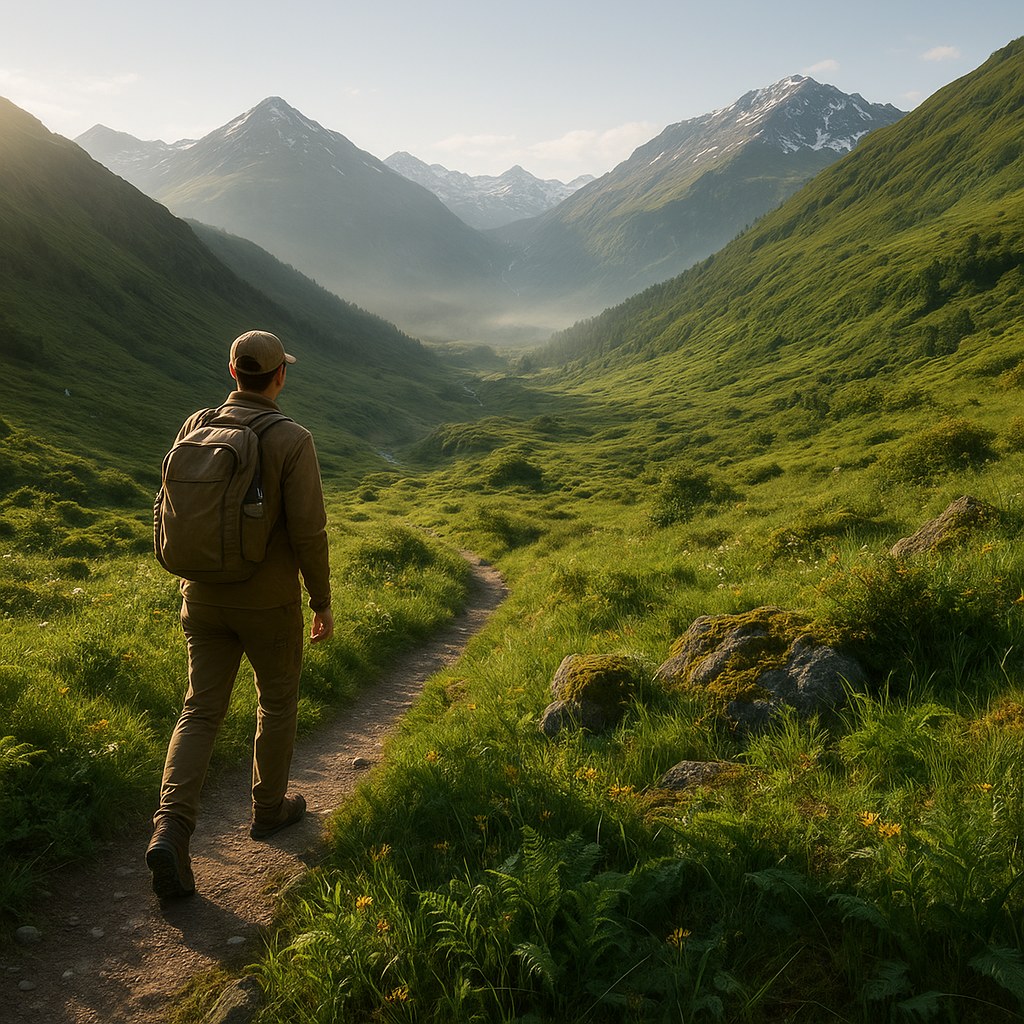
There’s a moment every trekker knows well. You’re standing on a ridge at dawn, the valley below still wrapped in mist, and the only sound is wind moving through alpine grass. In that silence, a question arises: how many boots have stood exactly where yours are now? And more importantly—what trace did they leave behind?
The uncomfortable truth is that our wild places are under pressure. The UN Environment Programme estimates that tourism accounts for roughly 8% of global carbon emissions, and the UK’s national parks alone welcome over 100 million visitors each year. Fragile ecosystems—from Scottish moorland to Himalayan high passes—are bearing the weight of our footsteps, our waste, and our well-intentioned but often destructive habits.
Leave No Trace isn’t about perfection. It’s about consciousness. It’s the difference between passing through a landscape and imprinting yourself upon it. Whether you’re planning a weekend in the Lake District or a month-long expedition through Patagonia, the principles remain the same: minimise, respect, and restore.
Understanding the Leave No Trace Philosophy
Leave No Trace began as a wilderness ethic in the United States during the 1960s, but it has evolved into a global framework for responsible outdoor recreation. At its core are seven principles, yet these aren’t rigid rules—they’re guidelines shaped by humility and common sense.
The philosophy asks us to see ourselves as guests rather than conquerors. This shift in perspective changes everything. Suddenly, that shortcut across a meadow isn’t just faster—it’s damaging slow-growing vegetation. That “harmless” apple core tossed into the bushes isn’t returning to nature—it’s introducing foreign bacteria and attracting wildlife to trails.
Why It Matters More Than Ever
Consider this: it takes up to two years for a banana peel to decompose in alpine conditions. A plastic bottle? Up to 450 years. Every year, mountain rescue teams and conservation volunteers remove tonnes of rubbish from popular trekking routes. In 2023, a single cleanup operation on Ben Nevis collected over 500kg of waste.
But the damage goes beyond litter. Soil erosion from off-trail hiking, disturbance to nesting birds, water source contamination—these are the invisible scars we leave behind. The cumulative effect of thousands of small impacts can permanently alter an ecosystem.
The Seven Principles in Practice
Understanding Leave No Trace means moving beyond theory into action. Here’s how each principle translates to real-world trekking.
1. Plan Ahead and Prepare
Responsible trekking begins long before you reach the trailhead. Research your route thoroughly—understand the terrain, weather patterns, and any regulations. Many protected areas now require permits or have seasonal restrictions to protect wildlife during breeding seasons.
Pack appropriately to minimise waste. Decant food into reusable containers, choose multi-use items over single-purpose gear, and calculate your water needs carefully. Overpacking doesn’t just weigh you down—it often leads to abandoned equipment when the load becomes unbearable.
2. Travel and Camp on Durable Surfaces
Stick to established trails, even when they’re muddy or crowded. That well-trodden path exists because it’s the route that causes least environmental damage. When you cut switchbacks or forge new paths, you accelerate erosion and damage vegetation that may take decades to recover.
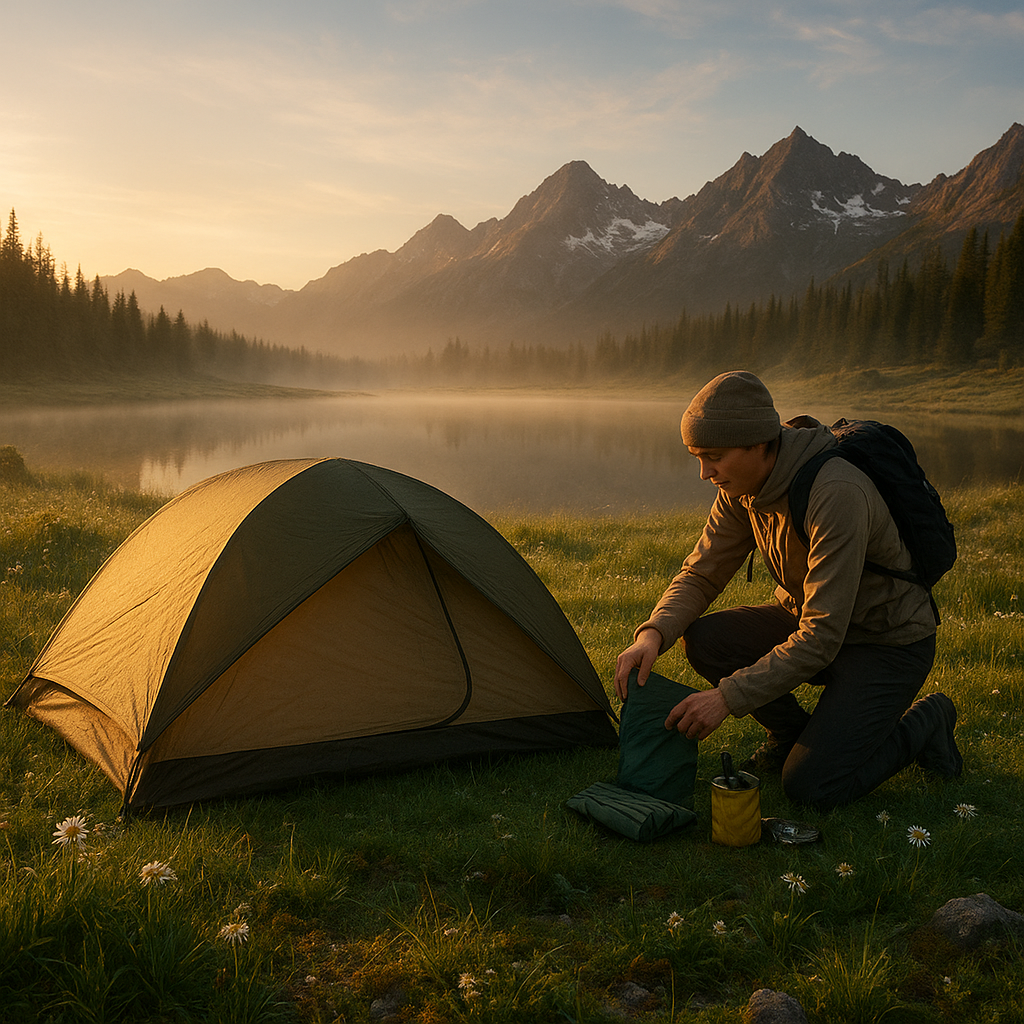
If wild camping is permitted, choose sites on rock, gravel, or dry grass rather than fragile vegetation. Camp at least 70 metres from water sources, and move your campsite every night if staying multiple days. This prevents the “campsite sprawl” that can sterilise soil and destroy habitat.
3. Dispose of Waste Properly
The mantra is simple: pack it in, pack it out. Everything. This includes food scraps, which can take years to decompose and often attract animals to human settlements, altering their natural behaviours.
For human waste, dig a cathole 15-20cm deep at least 70 metres from water, trails, and campsites. In alpine or desert environments where decomposition is slow, consider carrying a portable waste bag system. It’s not glamorous, but it’s essential. Water sources contaminated with human waste can spread pathogens through entire watersheds.
4. Leave What You Find
That perfectly weathered piece of driftwood, the unusually coloured stone, the antler shed by a deer—leave them. These objects are part of the ecosystem. Stones provide shelter for insects, wood becomes habitat for fungi, and antlers are gnawed by rodents for calcium.
This principle extends to cultural artefacts too. In many mountain regions, you’ll encounter prayer flags, stone cairns, or historical structures. Photograph them, appreciate them, but don’t touch, move, or add to them. The summit cairn you build might confuse other trekkers or disturb lichen that took a century to grow.
5. Minimise Campfire Impacts
Fire has become one of the most damaging aspects of modern camping. Scorched earth, half-burnt rubbish, and stripped vegetation are common sights at popular camping spots. In many areas, wildfires started by campfires have devastated thousands of hectares.
Use a lightweight camping stove instead—it’s more efficient, more reliable, and leaves no trace. If fires are permitted and you choose to have one, use established fire rings, keep it small, and burn only dead and downed wood. Ensure the fire is completely extinguished: the ashes should be cold to the touch.
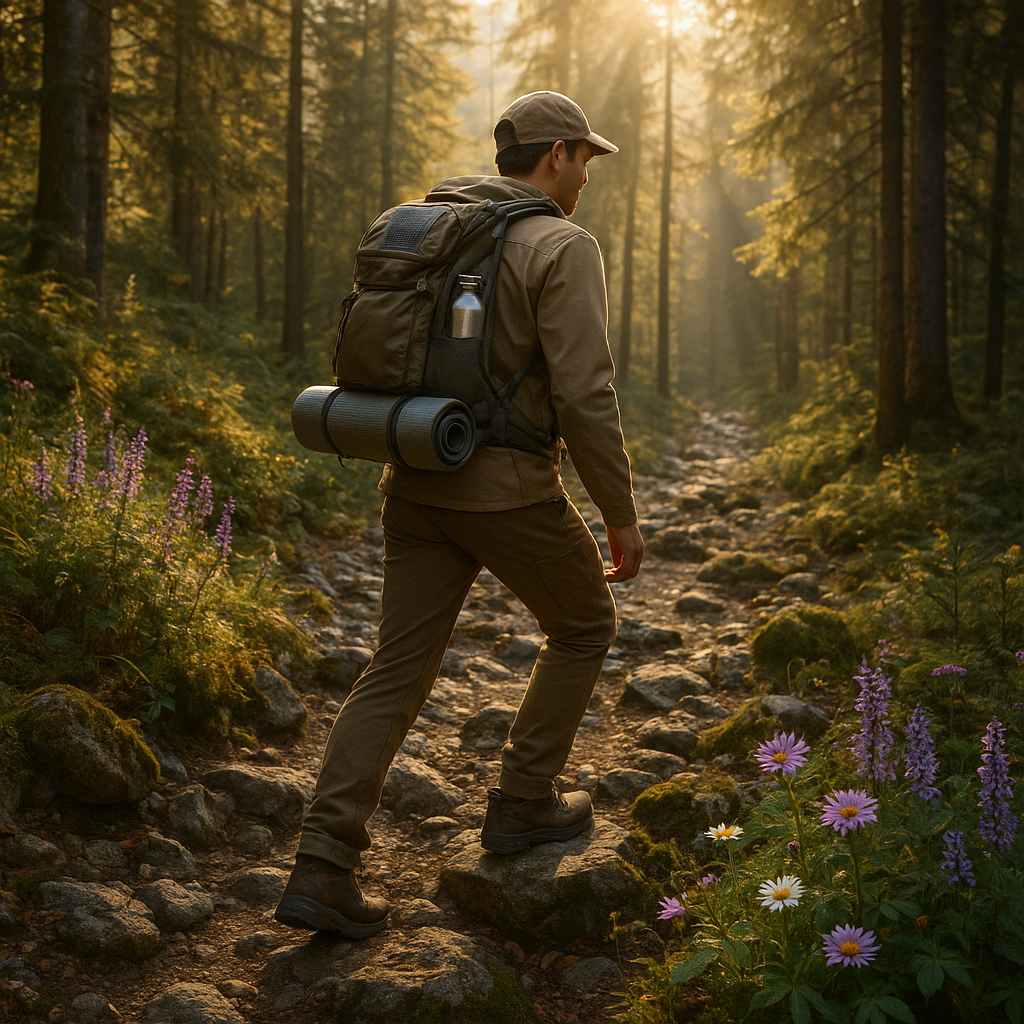
6. Respect Wildlife
Wildlife encounters are often the highlight of any trek, but they should always be on the animal’s terms. Observe from a distance—if your presence causes an animal to change its behaviour, you’re too close.
Never feed wildlife, no matter how tempting. Animals that associate humans with food often become aggressive or dependent, leading to their removal or death. Store food securely—in bear country, this means bear canisters or proper hangs; even in the UK, small mammals can destroy tents and packs in pursuit of an easy meal.
During nesting or lambing season, give wildlife extra space. A startled bird may abandon its nest, and a ewe separated from her lamb can reject it entirely.
7. Be Considerate of Other Visitors
Leave No Trace isn’t just about the environment—it’s about preserving the experience for others. Keep noise levels down; many people seek wilderness precisely for its silence. Yield the trail to uphill hikers, and step aside on the downhill side where possible to avoid erosion.
At popular viewpoints or campsites, don’t monopolise the best spots. Take your photos, soak in the view, then move aside. The wild belongs to everyone, and consideration ensures it stays welcoming to all.
Reducing Your Carbon Footprint on the Trail
Leave No Trace extends beyond the trail itself. How you get to the mountains matters just as much as what you do there.
Transport typically accounts for the largest portion of any trek’s carbon footprint. Choosing trains over flights can reduce emissions by up to 90% on many routes. Within the UK and Europe, an increasing number of spectacular trekking destinations are accessible by rail—the Scottish Highlands, the Alps, even the Pyrenees.
Gear Choices That Make a Difference
The outdoor industry produces an estimated 60 million tonnes of textile waste annually. Before buying new equipment, ask yourself: do I really need this? Can I borrow, rent, or buy second-hand?
When you do purchase, choose quality over quantity. A well-made jacket that lasts twenty years is infinitely more sustainable than five cheap ones. Look for brands with transparent supply chains, repair services, and take-back programmes. Many companies now offer recycled materials—fleece made from plastic bottles, insulation from reclaimed down.
Equally important is maintaining what you own. Reproof your waterproofs, patch that tear, replace boot laces. Every repair is a small act of environmental stewardship.
Food and Water on the Trail
Dehydrated meals in single-use packaging are convenient but wasteful. Consider preparing your own trail food in reusable silicone bags or containers. Not only does this reduce packaging waste, but homemade meals are often healthier and cheaper.
Carry a reusable water bottle or hydration bladder, and use a water filter or purification tablets to refill from natural sources where safe. The average trekker using bottled water on a week-long trek generates 14-21 plastic bottles of waste—nearly all of which won’t be recycled in remote areas.
Trekking in Sensitive Ecosystems
Not all environments are equally resilient. Alpine tundra, for instance, may take centuries to recover from damage, whilst lowland forest can bounce back in a few seasons.
High-Altitude Considerations
Above the treeline, everything slows down. Plants grow incredibly slowly—some cushion plants are hundreds of years old despite being only centimetres tall. A single bootprint can destroy decades of growth.
In popular high-altitude regions like Nepal’s Everest region or Peru’s Cordillera Blanca, human waste has become a crisis. The freezing temperatures prevent decomposition, and the volume of trekkers has overwhelmed traditional disposal methods. Many expeditions now require the use of portable toilet systems, and some areas mandate the packing out of all human waste.
Wetland and Coastal Environments
Bogs, marshes, and coastal dunes are amongst the most fragile trekking environments. Wetlands store enormous amounts of carbon—when damaged, they release it into the atmosphere. Stick to boardwalks where provided, even if it means a longer route.
On coastlines, avoid walking on dunes where vegetation stabilises the sand. A single person walking across a dune can start an erosion process that takes years to repair. Respect seasonal closures for nesting birds—many shore species are critically endangered.
Common Questions About Leave No Trace Trekking
What should I do if I see other people leaving litter or damaging the environment?
This is a delicate situation. Direct confrontation often backfires, but silence can feel like complicity. If you feel safe doing so, a friendly, non-judgemental approach works best: “I think you dropped this” is more effective than “You can’t leave that here.” Often, simply modelling good behaviour—picking up litter you find, staying on trail—influences others more than words.
Is it ever acceptable to pick plants or berries whilst trekking?
It depends entirely on context. In some regions, foraging is a cultural tradition and legal right—Scotland’s right to roam includes responsible foraging. In others, particularly protected areas and national parks, it’s prohibited. Even where legal, only take what’s abundant, never uproot plants, and leave plenty for wildlife and other foragers. When in doubt, don’t.
How do I Leave No Trace when trekking with a dog?
Dogs add complexity to Leave No Trace principles. Keep them under close control—this may mean a lead in areas with ground-nesting birds or livestock. Pack out their waste in most environments; whilst dog faeces are “natural,” the sheer volume of dogs on popular trails can contaminate water sources and spread disease to wildlife. Not every trail is suitable for dogs, and that’s okay.
What’s the best way to dispose of toilet paper in the wild?
The ideal solution is to pack it out. Toilet paper can take months to decompose, and animals often dig it up. Carry a sealable bag specifically for this purpose—it’s less unpleasant than it sounds. If you must bury it, use minimal amounts of plain, unbleached paper and bury it deep in your cathole. Better yet, learn to use natural materials like smooth stones or snow, or invest in a portable bidet.
Making Leave No Trace a Habit
The beauty of Leave No Trace is that it becomes easier with practice. What initially requires conscious thought—checking your campsite for micro-trash, planning your water carry, choosing your campsite carefully—soon becomes second nature.
Start small. On your next day hike, commit to packing out one piece of litter you find. On your next overnight trip, challenge yourself to leave your campsite cleaner than you found it. These small acts accumulate into a mindset.
Share the ethic gently. When someone asks about your portable toilet system or your elaborate rubbish packing, see it as an opportunity for conversation rather than preaching. Most people want to do the right thing; they simply haven’t considered the impact of their actions.
Conclusion
Leave No Trace is ultimately about ensuring that the wild places we love remain wild. Every decision—from how we travel to the trailhead, to where we place our tent, to how we dispose of our waste—ripples outward, affecting ecosystems, wildlife, and future generations of trekkers.
The principles aren’t burdensome restrictions but rather a framework for deepening our relationship with the natural world. When we move through landscapes with intention and care, we transform from tourists into stewards. We begin to notice the small things: the lichen on the boulder, the ptarmigan camouflaged in the scree, the ancient path worn smooth by centuries of feet.
The mountains don’t need us, but we desperately need them—for perspective, for challenge, for the reminder that we’re part of something larger than ourselves. The least we can do is pass through them gently, leaving nothing but footprints that the next rain will wash away, and taking nothing but memories and perhaps a renewed commitment to protect what remains wild.
The trail continues beyond us. Let’s ensure it’s worth walking.